Core Bakery Skills Required in Australian Commercial Kitchens
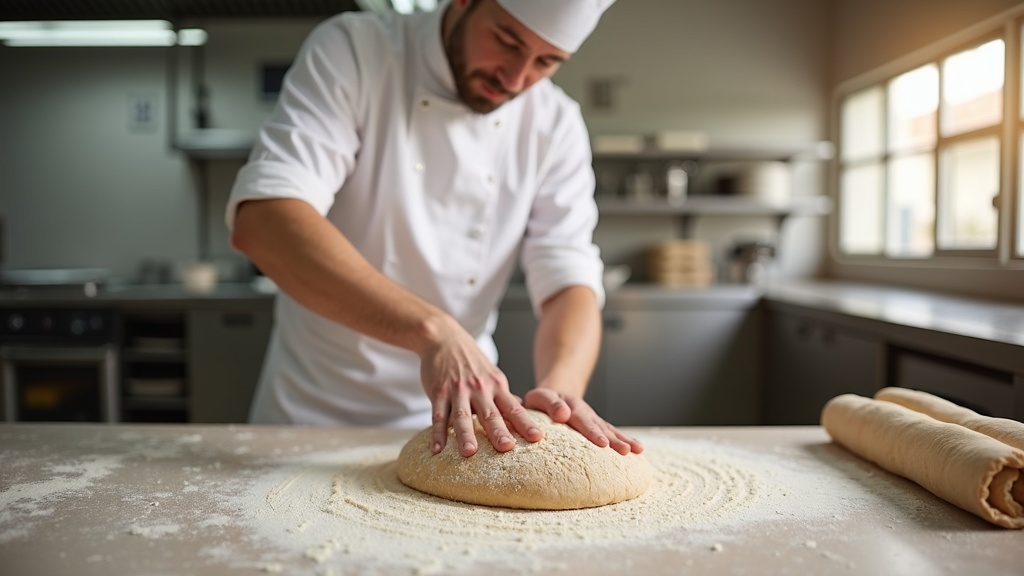
Overseas bakers moving to Australia quickly discover that commercial bakery operations demand a specific skill set shaped by local conditions, equipment standards, and regulatory requirements. Whether you trained in Europe, Asia, or elsewhere, adapting your expertise to Australian commercial kitchens is essential for career success and compliance with local standards.
Artisan Bread Production Techniques
Sourdough and artisan bread production remain highly valued in Australian bakeries, from inner-city specialty shops to suburban supermarket bakeries. You'll need to master sourdough starter maintenance in Australian climates, which often means managing fermentation differently than you might have overseas. Wild yeast fermentation timing varies significantly depending on whether you're working in tropical Queensland, temperate Victoria, or arid Western Australia. Temperature and humidity control become critical, and understanding how to adjust bulk fermentation times and final proof duration is non-negotiable in high-volume commercial settings.
Pastry and Lamination Mastery
Australian commercial bakeries produce croissants and Danish pastries that must withstand warm transport and retail display conditions. This means lamination techniques need adjustment for local ingredients and climate. Laminating fats behave differently under Australian heat, and your butter or shortening handling must account for this. Temperature control throughout the lamination process is more demanding than in cooler climates, and batch production timing requires careful management to prevent product degradation during the day.
Commercial Equipment Proficiency
Industrial mixers, deck ovens, and spiral provers operate across Australian bakeries, and you must demonstrate competency with this equipment. Deck oven management differs from home or artisanal setups—you'll manage multiple decks simultaneously, understand steam injection timing, and coordinate with other bakers during high-volume morning shifts. Australian health and safety standards require specific procedures for equipment operation, lockout protocols, and workplace hazard management that are strictly enforced by WorkSafe inspectors across all states.
Understanding Australian Bakery Qualifications and Standards
Australia's qualification framework for bakers differs significantly from international systems. If you're seeking to work long-term in Australia or pursue permanent residency, understanding these pathways is crucial.
Certificate III in Baking Requirements
The Certificate III in Baking (FBP30121) is the standard qualification recognised across Australia. This credential includes competency units covering product knowledge, safety compliance, production techniques, and teamwork in commercial environments. Even if you hold international qualifications, employers and visa assessors will ask whether you meet these specific units. Some overseas experience may count toward this qualification through Recognition of Prior Learning for experienced bakers, which allows experienced bakers to demonstrate competency without repeating unnecessary coursework.
Trade Recognition Australia Assessment Process
If you're applying for skilled visa sponsorship, skill assessment requirements for overseas qualifications become your first major hurdle. Trade Recognition Australia skills assessment evaluates whether your overseas training and experience align with Australian standards. The assessment typically involves documentation review, practical testing, and sometimes interviews. Processing times vary, so understanding timelines before commencing visa applications prevents delays.
Food Safety Certification
Food Safety Supervisor certification is mandatory across all Australian states and territories. This qualification ensures you understand allergen management, cross-contamination prevention, temperature monitoring, and documentation requirements specific to food manufacturing. Many overseas bakers underestimate how rigorous Australian food safety standards are—they're enforced at state and federal levels with significant penalties for non-compliance.
Essential Technical Skills for Different Bakery Specialisations
Bread and Roll Production
Baguette scoring techniques must be precise in Australian bakeries, where presentation standards are high. Understanding oven steam injection timing ensures proper crust development and oven spring. Gluten development through kneading and folding methods remains fundamental, though Australian flour varieties may require adjustment to your international techniques. Many Australian flours have different protein contents than European equivalents, affecting hydration, mixing times, and fermentation schedules.
Cake Decoration and Finishing
Buttercream piping, fondant work, and modern cake decorating trends are highly competitive specialisations in Australia. Wedding cake production and custom cake orders command premium pricing, making this an attractive career path. You'll need to understand Australian preferred cake flavours and designs—lamingtons, carrot cakes, and chocolate mud cakes remain staples, alongside contemporary trends favouring minimalist aesthetic and natural finishes.
Specialty Dietary Requirements
Gluten-free baking chemistry and vegan pastry adaptations are increasingly demanded by Australian consumers and cafes. Gluten-free baking requires different flour combinations, binder ratios, and hydration adjustments compared to conventional methods. Vegan pastry demands competency with plant-based fats and egg replacers—knowledge not always taught in traditional bakery apprenticeships. Low-sugar formulations meeting Australian dietary guidelines represent another growing specialisation, particularly in health-conscious urban markets.
Visa Pathways for Qualified Bakers
TSS 482 Visa Requirements for Bakers
The Temporary Skill Shortage (TSS) 482 visa allows overseas bakers to work in Australia for up to two years, provided an employer sponsors you and meets labour market testing obligations. Baker (ANZSCO 351111) and Pastry Cook (ANZSCO 351112) remain eligible occupations on the Short-term Skilled Occupation List, though this status changes periodically. Check the Department of Home Affairs Skilled Occupation List for current eligibility. Minimum salary requirements apply—consult Fair Work Commission award rates to understand your entitlements.
Regional Sponsorship Opportunities
Regional areas across Australia face critical baker shortages, creating opportunities through the Regional Sponsored Migration Scheme. Visa sponsorship pathways for skilled workers in regional locations often provide faster processing and pathway to permanent residency. States like Tasmania, South Australia, and regional Queensland actively recruit bakers.
Permanent Residency Pathways
The Employer Nomination Scheme (ENS) 186 visa allows skilled bakers to transition from temporary to permanent residency after meeting eligibility periods. This pathway typically requires consistent employment with one sponsor and meeting points criteria through experience and qualifications.
Adapting International Skills to Australian Bakery Standards
Recipe conversion from international to Australian measurements requires attention to detail. Australian bakeries use grams and millilitres, and ingredient brands differ—sourcing equivalent products takes research and experimentation. Baking times and temperatures must be adjusted for Australian commercial ovens, which may operate differently than European equivalents.
Understanding Australian consumer preferences is essential. Meat pies, sausage rolls, lamingtons, and vanilla slices remain beloved Australian bakery items. Seasonal product demands vary across climate zones—think frozen treats in summer, heavier products in winter. Workplace English terminology specific to commercial kitchens requires familiarity—learning how Australian bakery teams communicate ensures smooth collaboration. When hiring qualified bakers and pastry cooks, employers value professionals who communicate clearly in English and understand local workplace culture.
Building Your Australian Bakery Career
Entry-level positions for newly arrived overseas bakers typically begin as bakery assistant or apprentice baker roles, even if you hold international qualifications. This pathway allows you to gain Australian-recognised credentials whilst earning and adapting to local systems. Progression to head baker or production manager roles follows with demonstrated competency and formal qualifications.
Continuing professional development through TAFE and private training providers keeps your skills current. Short courses and masterclasses in wedding cakes, artisan bread, or French patisserie offer specialisation pathways. For employers seeking skilled bakery staff, prioritising candidates who invest in professional development signals commitment and capability.
Business ownership becomes realistic after gaining permanent residency and accumulating capital. Many successful Australian bakery owners started as overseas-trained bakers who built experience, networks, and financial resources through employment.
Conclusion
Mastering bakery skills in Australia requires more than technical expertise—it demands understanding local qualifications, regulatory standards, and consumer preferences whilst adapting international training to Australian conditions. Whether pursuing temporary visa sponsorship or permanent residency, investing time in formal Australian qualifications, food safety certification, and skill assessment creates genuine career stability.
The Australian bakery industry values experienced overseas bakers who demonstrate commitment to local standards and continuous improvement. By combining your international expertise with Australian knowledge, you position yourself competitively in a sector facing genuine skills shortages across many regions.
Your journey from overseas baker to established Australian bakery professional is achievable through structured qualifications, workplace experience, and persistent skill development. The rewards—both professionally and personally—make the adaptation process worthwhile.